A priest’s death in Lebanon brings war to a community that tried to avoid it
As war comes to Lebanon’s south once again, Christians and other minorities most of them no fans of Hezbollah increasingly find themselves in the crosshairs.
As war comes to Lebanon’s south once again, Christians and other minorities most of them no fans of Hezbollah increasingly find themselves in the crosshairs.
When we think of Lent, ideas of hunger, sacrifice and suffering may come to mind. In holy Scripture, the desert is a unique place of encounter with the Lord: Israel crossed it to leave slavery and reach the promised land. St. John the Baptist chose desert life to prepare himself and the people for the coming of the Messiah. Christ spent 40 days and nights in the desert preparing for his mission before beginning his public life. This shows us that great things happen in the desert in aridity, solitude and silence because God wants to purify us so we can enjoy a new life full of meaning and purpose. We need to embark on our own journey through the desert, leaving sin and slavery behind, to reach our liberation in the promised land. The Church proposes three exercises that help us progress: almsgiving, fasting and prayer, moving from love of neighbor to self-love to love of God. Almsgiving is a concrete way of loving our neighbor. The call to generosity invites us to practice charity and be sensitive to the pain and needs of our brothers and sisters. Hunger, thirst, sickness, cold the suffering of any brother or sister is our concern. Anyone in need becomes our sibling, and almsgiving is our response to that pain. Generosity allows us to be Church, to bear witness to how we love one another, and to be the hands and feet of Christ. Fasting helps us free our hearts. We were created to worship, glorify and bless God. When God does not occupy that primary place in our hearts, we seek something else to replace him, creating idols and unhealthy attachments. Fasting helps us rediscover the deepest longings of the heart. When we experience physical hunger and thirst, we recognize our spiritual hunger and thirst. Our carnal appetites cease to dominate, and our spiritual needs open the eyes of our soul. Rather than rejecting the body, fasting seeks its purification so we can attend to our deepest needs. It becomes an act of self-love because it purifies us, frees us, and shows us how to satisfy our hearts’ deep longings. Our greatest longing will always be to be with God, and only in his arms do we find true peace. Prayer is the purest way to love God because prayer lifts up the heart with our passions, feelings and deepest desires and the mind to him. It teaches us to seek his presence and enter into communion, lifting our whole being to God. By learning to be worshipers and spending time with Jesus. During Lent, we are invited to repent, to open our eyes and realize what we need to change, because an excellent way to pray is to observe and understand our faults and weaknesses. Many perceive confession as a ritual of punishment and guilt; this is a superficial approach to so great a gift. What is really offered in reconciliation is liberation and healing from our deepest wounds those that poison our relationship with others, ourselves and God. These three Lenten exercises, far from being sources of suffering, are ways we can love our neighbor, ourselves and God in a more honest, selfless and free way. If we live them as gifts from the Holy Spirit, we will enjoy the enormous benefits found through them, and our experience in the spiritual desert will transform our hearts. Only then will we be ready for the resurrection God has prepared for us. Then we can experience the joy Christ experienced in overcoming death and enter with him into the promised land.
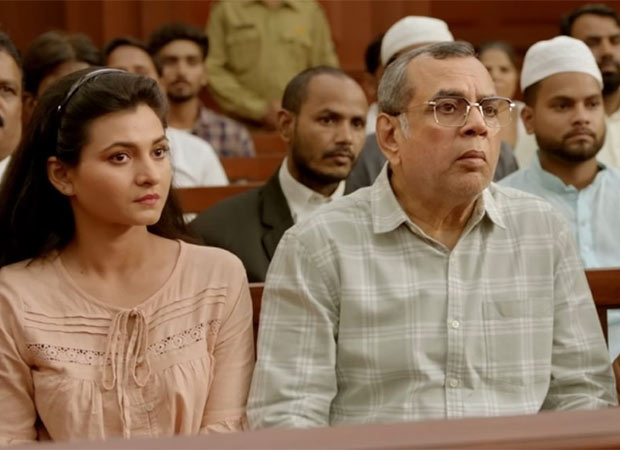
A public interest litigation (PIL) petition has been filed before the Delhi High Court seeking action against the soon-to-be-released film The Taj Story featuring actor Paresh Rawal. The film, scheduled for release on October 31, sparked heated debate following its poster, which depicts a statue of Lord Shiva emerging from the iconic Taj Mahal dome-a visual that reignites the contentious theory alleging the monument’s Hindu temple origins. Advocate Shakeel Abbas, the petitioner, alleges that The Taj Story presents “fabricated and provocative content” about the origins of the Taj Mahal, contradicting established historical consensus and scholarly writings. The petition claims the film’s speculative assertions threaten to erode public faith in history, provoke communal unrest, and potentially damage the international reputation of the Taj Mahal, which is recognized globally as a UNESCO World Heritage Site. The plea urges the Central Board of Film Certification (CBFC) to review the certification granted to the movie and instruct required cuts if necessary to safeguard communal harmony across the country. Furthermore, the PIL requests that a clear disclaimer be added to the film, clarifying that it presents a contested narrative rather than established fact. According to the petition, the movie contains “deeply divisive scenes” that may incite communal tensions and disrupt public peace. The plea also mentions the amplification of controversial statements by political leaders and fringe groups, raising alarms over the potential for nationwide unrest. Also Read: Paresh Rawal REACTS to The Taj Story being called “propaganda”: “It focuses solely on historical facts”.
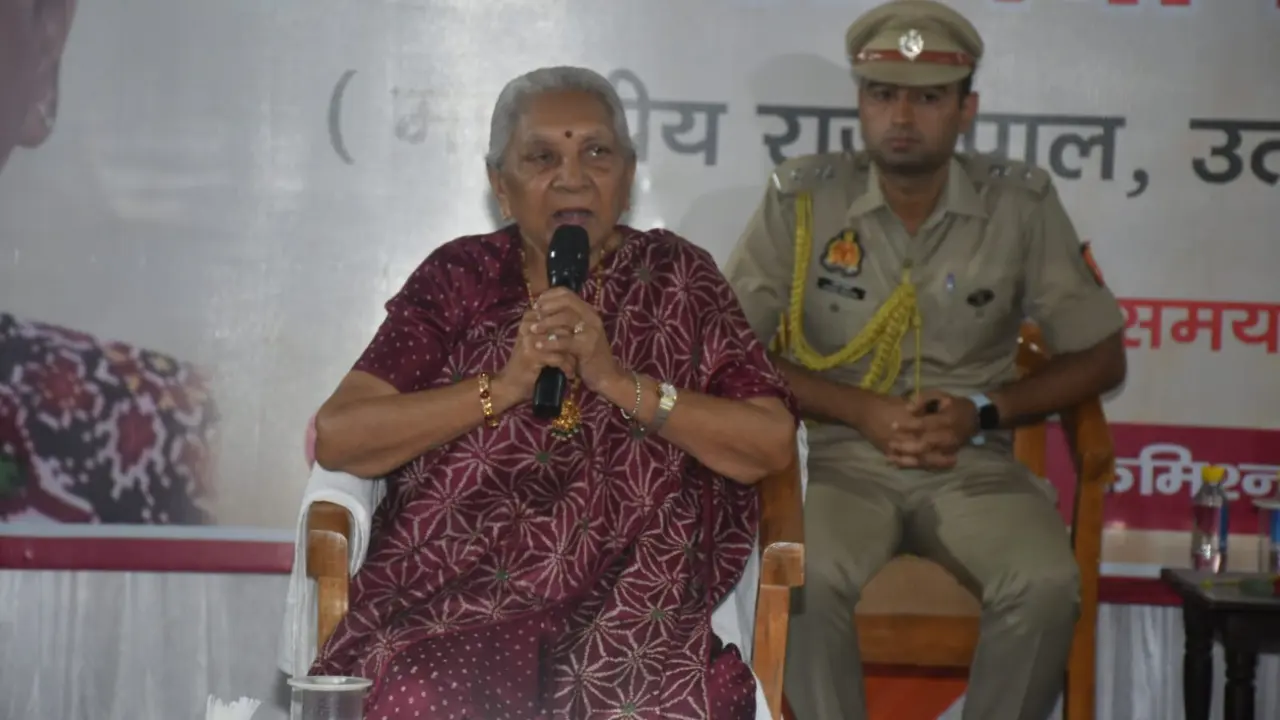
Speaking at the 30th convocation ceremony of Dr Ram Manohar Lohia Avadh University in Ayodhya, Anandiben Patel warned the youth, saying that trends like live-in relationships are a blow to a country with an ancient culture like India. It endangers the lives of families, society, and especially daughters.
This is the historic dawn of a new Middle East. After so many years of unceasing war and endless danger, today, the skies are calm, the guns are silent, the sirens are still, and the sun rises on a Holy Land that is finally at peace, Trump said.
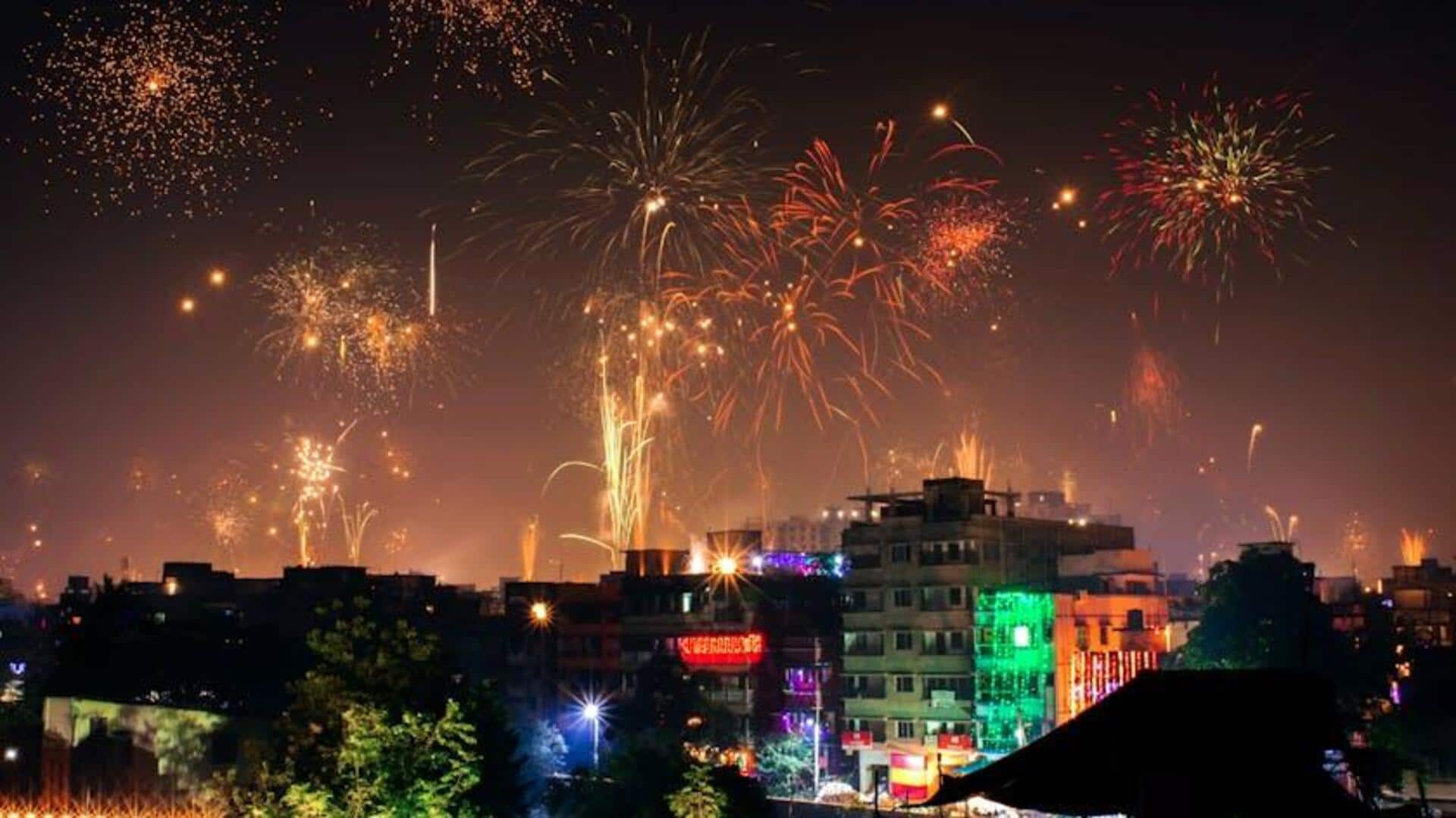
How Diwali rituals differ in North and South India
In a shocking act of desecration, a man reportedly urinated on the Altar of the Confession inside St. Peter’s Basilica which is one of the holiest sites of the Roman Catholic Church. The incident was caught on camera and the video shows that the man stripped off his pants and shamefully committed the act in front of the crowd present at the spot.
福岡市西区・飯盛神社で流鏑馬 1838年から続く神事、見物客ら歓声