Growing up behind walls at Mitch Albom’s Haitian orphanage
Haiti’s gangs have near-total control of Port-au-Prince. Bestselling author Mitch Albom runs an orphanage in the city. Children there grow up and get an education in a haven behind walls.
Haiti’s gangs have near-total control of Port-au-Prince. Bestselling author Mitch Albom runs an orphanage in the city. Children there grow up and get an education in a haven behind walls.
An elementary school teacher has resigned after a social media post saying “Go ICE” drew outrage from some parents in the west suburbs.
Vicksburg Catholic School and Porter’s Chapel Academy will reopen Wednesday, while the Vicksburg Warren School District will remain closed for one more day in the wake of last weekend’s ice storm.
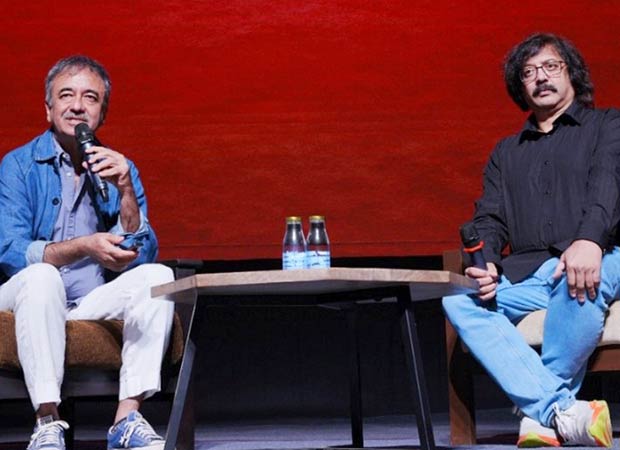
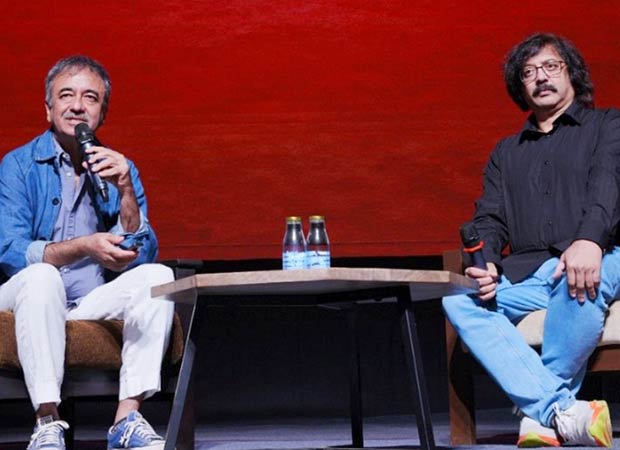
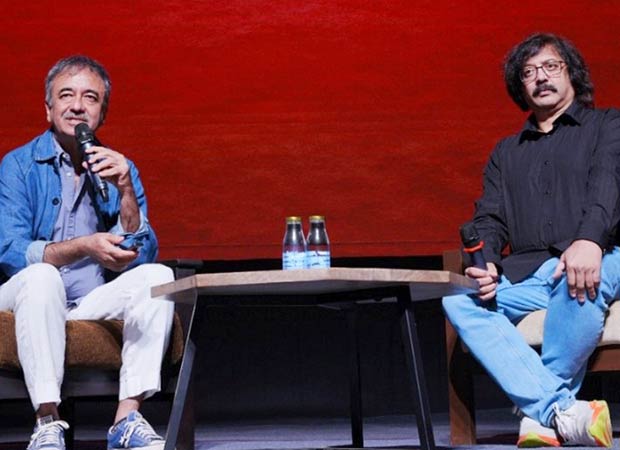
Lights dimmed and anticipation filled the air at IFFI as audiences gathered for a masterclass that felt more like an energising creative session than a traditional workshop. When filmmaker Rajkumar Hirani arrived at the Kala Academy Hall, the atmosphere lifted instantly. By the end of the event, writers were jotting down ideas, editors were nodding in recognition, and cinephiles were visibly inspired. Hirani shared practical insights and clear principles that have shaped his career. “Writing is emotion imagined; editing is emotion experienced. The writer writes the first draft, the editor the last. Theme is the soul of a film, while conflict is its oxygen,” he said, setting the tone for his session titled “Film is Made on Two Tables Writing and Editing.”He described writing as a space of creative freedom-where skies are endless, actors are perfect, and no constraints exist. However, he emphasised that once this material reaches the editing table, reality reshapes it. According to him, a story truly begins only when a character wants something deeply, and conflict gives the narrative life. Hirani encouraged writers to draw from real experiences. “A good writer must pick triggers from life. Real experiences make stories unique and relatable,” he noted. He also reminded the audience that exposition should blend naturally into the drama and that the film’s theme should quietly guide every scene. Speaking with affection for his first craft-editing-Hirani highlighted the editor’s unseen influence. He explained that while the shot is the basic unit of editing, shifting its context can completely alter meaning. “An editor can flip a story 180 degrees,” he said, adding that their work often remains invisible but is central to holding a film together. Referencing early cinema, he recalled DW Griffith’s observation that a skilled editor shapes audience emotion. Hirani reinforced this idea with a line that echoed throughout the hall: “The writer writes the first draft. The editor writes the last.”He also underlined the importance of strong antagonists. “Every character believes they are right,” he said, stressing that the tension between opposing yet valid viewpoints creates the energy that drives a story. Screenwriter Abhijat Joshi joined the conversation, reflecting on the value of memory in storytelling. He explained that certain real-life moments-funny, painful, or surprising-stay with people for years and often hold more authenticity than purely invented scenes. He shared that many such memories helped shape 3 Idiots, from the electric-shock joke to subtle character traits inspired by people he had observed. Joshi concluded with essential screenwriting reminders: every character must want something meaningful, conflict fuels cinema, and the strongest drama arises when two genuine truths collide. Also Read: EXCLUSIVE: Kartik Aaryan, Rajkumar Hirani honoured by Gautam Adani at Subhash Ghai’s Whistling Woods International; Hirani hails Adani’s speech: “I would call it the SHOLAY of speeches!”.
Lights dimmed and anticipation filled the air at IFFI as audiences gathered for a masterclass that felt more like an energising creative session than a traditional workshop. When filmmaker Rajkumar Hirani arrived at the Kala Academy Hall, the atmosphere lifted instantly. By the end of the event, writers were jotting down ideas, editors were nodding in recognition, and cinephiles were visibly inspired. Hirani shared practical insights and clear principles that have shaped his career. “Writing is emotion imagined; editing is emotion experienced. The writer writes the first draft, the editor the last. Theme is the soul of a film, while conflict is its oxygen,” he said, setting the tone for his session titled “Film is Made on Two Tables Writing and Editing.”He described writing as a space of creative freedom-where skies are endless, actors are perfect, and no constraints exist. However, he emphasised that once this material reaches the editing table, reality reshapes it. According to him, a story truly begins only when a character wants something deeply, and conflict gives the narrative life. Hirani encouraged writers to draw from real experiences. “A good writer must pick triggers from life. Real experiences make stories unique and relatable,” he noted. He also reminded the audience that exposition should blend naturally into the drama and that the film’s theme should quietly guide every scene. Speaking with affection for his first craft-editing-Hirani highlighted the editor’s unseen influence. He explained that while the shot is the basic unit of editing, shifting its context can completely alter meaning. “An editor can flip a story 180 degrees,” he said, adding that their work often remains invisible but is central to holding a film together. Referencing early cinema, he recalled DW Griffith’s observation that a skilled editor shapes audience emotion. Hirani reinforced this idea with a line that echoed throughout the hall: “The writer writes the first draft. The editor writes the last.”He also underlined the importance of strong antagonists. “Every character believes they are right,” he said, stressing that the tension between opposing yet valid viewpoints creates the energy that drives a story. Screenwriter Abhijat Joshi joined the conversation, reflecting on the value of memory in storytelling. He explained that certain real-life moments-funny, painful, or surprising-stay with people for years and often hold more authenticity than purely invented scenes. He shared that many such memories helped shape 3 Idiots, from the electric-shock joke to subtle character traits inspired by people he had observed. Joshi concluded with essential screenwriting reminders: every character must want something meaningful, conflict fuels cinema, and the strongest drama arises when two genuine truths collide. Also Read: EXCLUSIVE: Kartik Aaryan, Rajkumar Hirani honoured by Gautam Adani at Subhash Ghai’s Whistling Woods International; Hirani hails Adani’s speech: “I would call it the SHOLAY of speeches!”.
Lights dimmed and anticipation filled the air at IFFI as audiences gathered for a masterclass that felt more like an energising creative session than a traditional workshop. When filmmaker Rajkumar Hirani arrived at the Kala Academy Hall, the atmosphere lifted instantly. By the end of the event, writers were jotting down ideas, editors were nodding in recognition, and cinephiles were visibly inspired. Hirani shared practical insights and clear principles that have shaped his career. “Writing is emotion imagined; editing is emotion experienced. The writer writes the first draft, the editor the last. Theme is the soul of a film, while conflict is its oxygen,” he said, setting the tone for his session titled “Film is Made on Two Tables Writing and Editing.”He described writing as a space of creative freedom-where skies are endless, actors are perfect, and no constraints exist. However, he emphasised that once this material reaches the editing table, reality reshapes it. According to him, a story truly begins only when a character wants something deeply, and conflict gives the narrative life. Hirani encouraged writers to draw from real experiences. “A good writer must pick triggers from life. Real experiences make stories unique and relatable,” he noted. He also reminded the audience that exposition should blend naturally into the drama and that the film’s theme should quietly guide every scene. Speaking with affection for his first craft-editing-Hirani highlighted the editor’s unseen influence. He explained that while the shot is the basic unit of editing, shifting its context can completely alter meaning. “An editor can flip a story 180 degrees,” he said, adding that their work often remains invisible but is central to holding a film together. Referencing early cinema, he recalled DW Griffith’s observation that a skilled editor shapes audience emotion. Hirani reinforced this idea with a line that echoed throughout the hall: “The writer writes the first draft. The editor writes the last.”He also underlined the importance of strong antagonists. “Every character believes they are right,” he said, stressing that the tension between opposing yet valid viewpoints creates the energy that drives a story. Screenwriter Abhijat Joshi joined the conversation, reflecting on the value of memory in storytelling. He explained that certain real-life moments-funny, painful, or surprising-stay with people for years and often hold more authenticity than purely invented scenes. He shared that many such memories helped shape 3 Idiots, from the electric-shock joke to subtle character traits inspired by people he had observed. Joshi concluded with essential screenwriting reminders: every character must want something meaningful, conflict fuels cinema, and the strongest drama arises when two genuine truths collide. Also Read: EXCLUSIVE: Kartik Aaryan, Rajkumar Hirani honoured by Gautam Adani at Subhash Ghai’s Whistling Woods International; Hirani hails Adani’s speech: “I would call it the SHOLAY of speeches!”.
University of Oxford. Photo credits: Arsty / BigStock European university and research organisation spin-outs are creating more value than ever. But EU institutions are lagging behind the UK and Switzerland in the rankings, according to a new Dealroom report. Dealroom’s top 10 list of.
Harvard University has suffered numerous blows to its prestige in recent years, but generally these have been earned. A recent
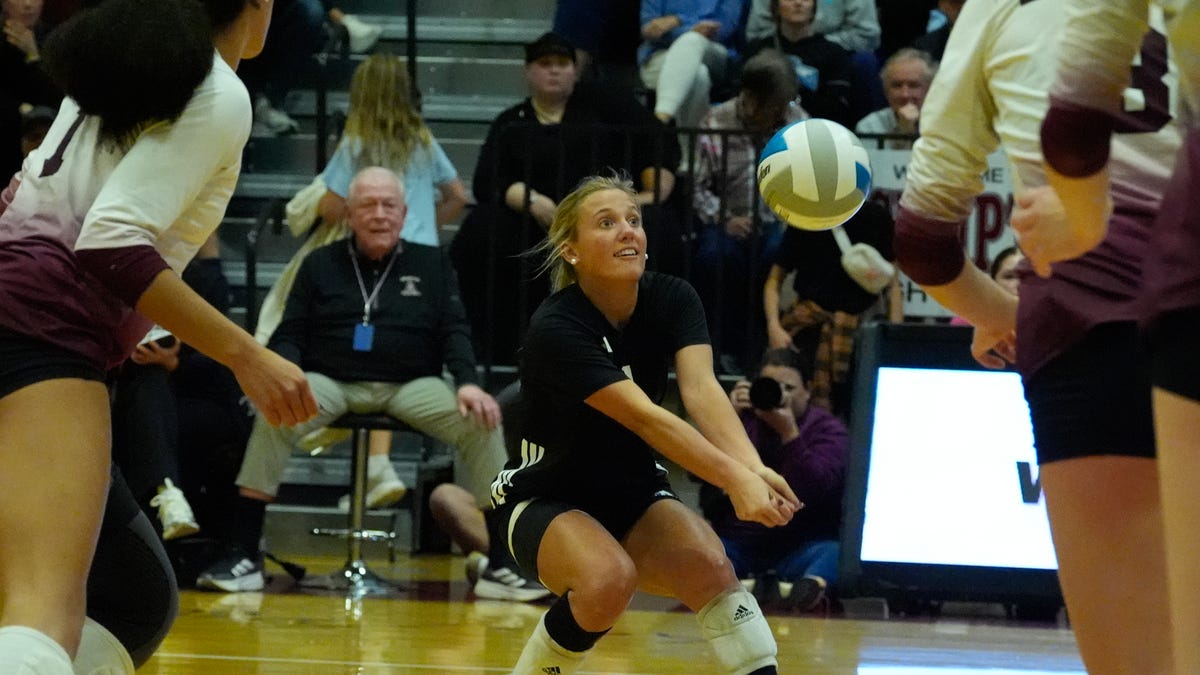
Elizabethtown senior Jessica Smallwood has been named 2025 Ms. Kentucky Volleyball by the KVCA, which also announced its All-State selections.
More British private schools are setting up abroad in a bid to drive revenue, at a time when cost pressures at home are rising. Fee-paying schools in the UK educate just 7% of the population, but this cohort includes many political leaders, Nobel laureates and the upper echelons of society. Previously, families across the globe would have aspired to ship their children here for an elite education. Now, more options than ever are on their doorstep. The British-international school boom has been “recent and large,” according to the Private Education Policy Forum think-tank. Schools had 51 satellite campuses in 2017-18, which had trebled to 151 by 2024-25. Bloomberg Radio’s Tiwa Adebayo joined Joumanna Bercetche to discuss. (Source: Bloomberg)