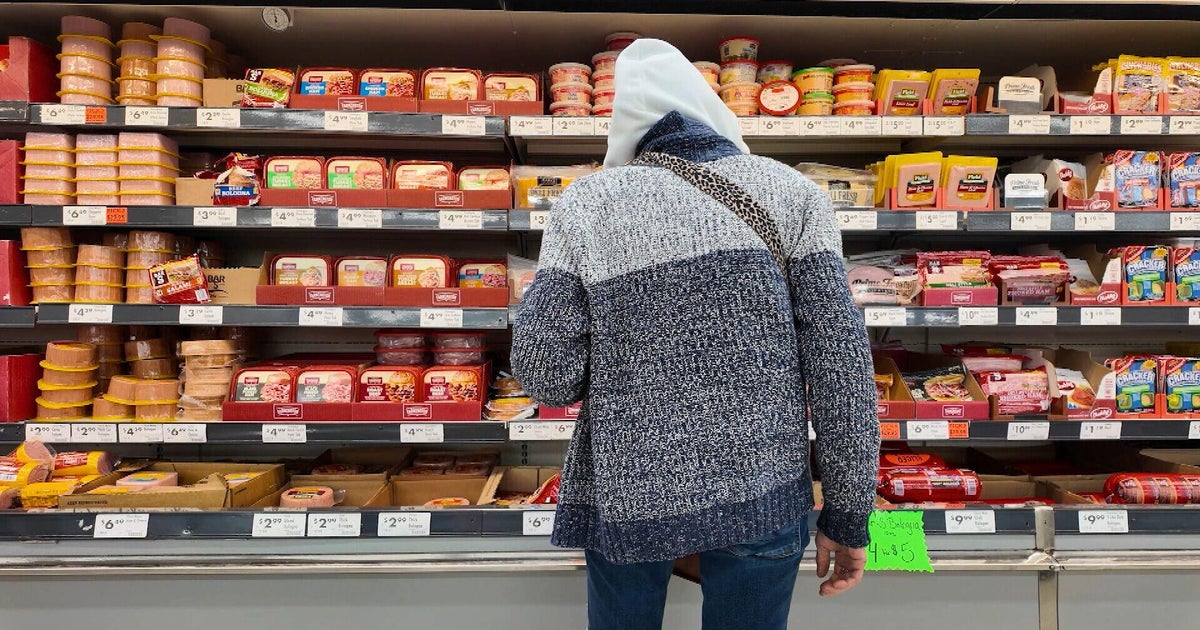
Residents in McDowell County, West Virginia buy bottled water they can ill afford; tap water can be brown or black when it comes out of the aging pipes. There are people who haven’t taken a hot shower in six years because fumes from the water made them ill, according to Pastor Brad Davis, who leads congregations at five United Methodist churches in the county. Reports of skin rashes and burns are not uncommon. Some fill up jugs of water from an old mine shaft on the side of a mountain. “This shouldn’t be the case, anywhere in the world, let alone in the wealthiest nation in the world,” Davis said. Decades ago, when coal boomed, nearly 100, 000 people lived in McDowell CCounty, earning some of the nation’s highest hourly wages. But as machines moved in, mining jobs dwindled and the local economy collapsed. Today, roughly 17, 000 people remain, and the median household income is about $30,000. The state of McDowell County In McDowell County, one in three households depends on the Supplemental Nutrition Assistance Program to feed their families, according to Census data. Poverty there inspired the launch of the modern food stamp program more than 60 years ago. There’s just one traffic light and more churches than we could count. The county sits deep in the Appalachian Mountains and stretches more than 500 square miles. Linda McKinney runs the country’s largest food bank, Five Loaves & Two Fishes. Since the government shutdown this past fall, when Americans around the country lost SNAP benefits for weeks, McKinney says more new faces have been coming in. “We have a lot of young mothers that come,” McKinney said. “They’ll say, ‘I never thought I’d have to come.'” Across the United States, families are feeling the squeeze. Food prices are almost 20% higher today than they were in 2022. In McDowell County, McKinney makes sure more than 100 children receive backpacks filled with food each week so they’ll have something to eat over the weekend when they’re not in school. Parents sometimes tell McKinney their child didn’t get a bag. “And then you find out the child on Friday is eating that food on the bus. They’re hungry,” McKinney said. Tabitha Collins is the sole income earner for her family of six after her fiancé was hit by a car. Along with caring for their toddler, she’s also helping raise her fiancé’s three younger siblings. “It’s up to you to raise these kids in a decent manner, you know, and try to teach them about the drug epidemic and how it can affect others,” she said. “Because that’s a lot of what we struggle with.” In a county ravaged by opioids, it’s a common story. The epidemic claimed a generation of parents, leaving family members like Collins raising more children on less. Collins works five days a week at a local nonprofit, Big Creek People in Action, living paycheck to paycheck. Even with food stamps, she often comes up short. In December, she got a $480 electric bill. Then she got a shut-off notice. “It was scary. I was trying to figure out which bill is more important, you know? And it comes down to that,” she said. Aid cuts spark fears That choice is about to become even more difficult. SNAP and Medicaid benefits are facing the biggest federal funding cuts in history more than $1 trillion over the next decade as a result of President Trump’s sweeping domestic policy bill passed last year. It will be up to states to pick up more of the cost and recipients will face stricter work requirements. Tens of thousands of West Virginians are expected to lose benefits. “We rely on the benefits very much,” Collins said. “And it’s not because we’re taking advantage of the government. It’s because we actually need these things.” Most in the county feel forgotten, according to Davis, who meets with congregants at churches across the county. He spends his days listening to residents who trust God, each other, and not much else. “I’ve heard directly people say, ‘Well, why don’t people just move?’ And my response to that is: Why should we? Why should we have to move? This is home,” Davis said. Does it matter which party is in charge? Outsiders often assume McDowell County is Trump country, but local political views defy labels. The county backed former President Barack Obama in 2008 and Sen. Bernie Sanders in the 2016 presidential primary. Mr. Trump won the last three elections in the county, which had the lowest voter participation in the state. Davis says people in the county are desperate for change, and that’s why they cling to promises like making “coal great again. I think that goes a long way in explaining why the political climate here has shifted the way it has,” he said. Earlier this month, coal executives and miners declared Mr. Trump the “undisputed champion of beautiful clean coal” after his latest executive order aimed at boosting the coal industry. In McDowell, Davis said residents have heard big promises made before from the state house and the White House and “nothing ever changes.” To Betty Stepp, a 76-year-old lifelong county resident, it doesn’t matter if it’s Democrats or Republicans running the country; she feels like neither party cares about helping McDowell County’s residents. Residents step up to help themselves, each other West Virginia’s governor recently set aside $8. 3 million in federal funds to upgrade sewage and water lines in McDowell County- a drop in the bucket compared to what state and county officials say is still needed. Stepp and other retirees have stepped up to help. They go door to door delivering heavy cases of water to neighbors. Many in the community say that if they don’t help each other, no one will. “No one’s going to come and save us,” McKinney said. “We save each other.” People here say they face a choice: stay and scrape by, or scrape together enough money to leave. Collins plans to stay. “It’s a lot. I don’t know how I get through it. But I do,” she said. “I just wanna live the dream like anyone else does, you know, have a family, have a home and not stress about the hardships that we have around here.”.
https://www.cbsnews.com/news/mcdowell-county-west-virginia-poverty-60-minutes/
Residents in one of America’s poorest counties say they feel abandoned